What the Earth Remembers
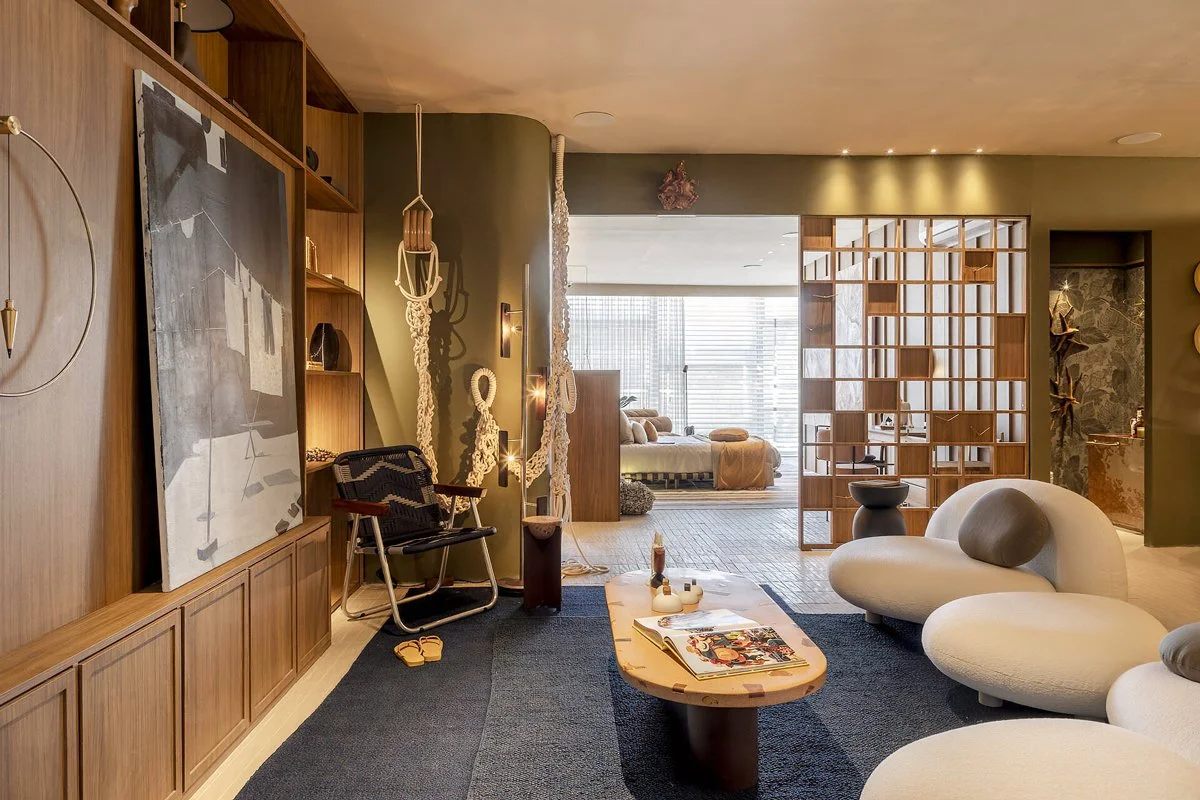
© Photo by Rafael Renzo
Bienal de Arquitetura, São Paulo
The air finds me before I find anything else, before the walls, before the materials, before anything my eyes can name. Something here smells of forest, of soil after rain, of time that has not been rushed. My breath finds it before my mind does. I stop without deciding to stop. I am already somewhere else. Somewhere I may have been before.
Six biomes. Six ways of coming home. Amazônia. Cerrado. Caatinga. Mata Atlântica. Pampa. Pantanal. I move slowly through each room, the way you move when something is asking you to pay attention. Not every space carries the same quality. Some bear brand names where a biome should be, and the gap between the two is something to notice, gently, and release. But in the rooms that hold it, the intention is unmistakable.
Does it feel alive? Or does it feel like something pretending? My body answers before I do. Clay that remembers the hands that pressed it, bamboo that has not forgotten the forest, earth walls that hold warmth long after the afternoon has moved on. Surfaces that carry the trace of someone who was here, who touched this, who decided, this and not that. Presence leaves marks. That is how we know it was real.
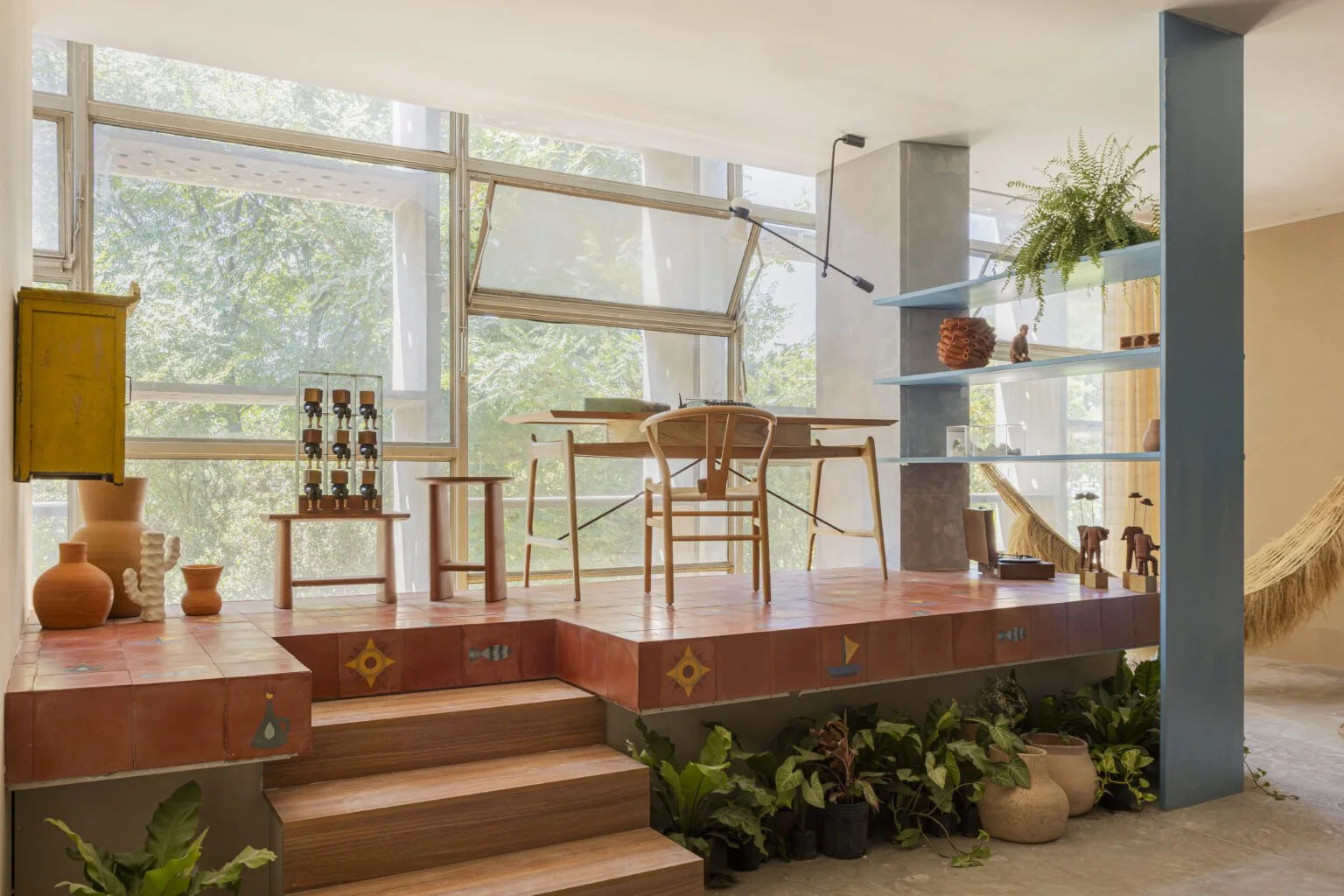
© Photo by Felipe Petrovsky
My mother’s mother’s mother was Bororo, from Mato Grosso, from somewhere between the Cerrado and the Pantanal. I am still finding out where exactly. What I know is that the Bororo are matrilineal, that identity passes through the female line, through the mother, always the mother. Which means she passed something to her daughter, and her daughter to the next, and somewhere in that long chain of women and land and memory it arrived here, to me, standing in São Paulo in 2026, inside a building that smells of forest and soil and rain. I do not know what to call what I felt in that room. It was not information. It was not nostalgia for a place I have never been. It was something the body carries that the mind has not yet found words for.
The Bororo built their villages in circles, a courtyard at the center, the gathering place, the living place. Their traditional houses built with straw, with what the land offered, with what the climate asked for. When outsiders later replaced those houses with brick, the living conditions became worse. The earth already knew what it was doing. It always does. Nothing we build arrives alone. Every wall carries a river, a season of rain, hands I will never fully know. We think we are choosing a material. We are choosing a relationship.
I carry the air with me when I leave. I am still finding out which river, which village, which circle of houses around which courtyard. I may never know everything, but I know I stopped in that room without deciding to stop, and I think I know why. The earth has always known how to shelter us. We are only just remembering how to listen.
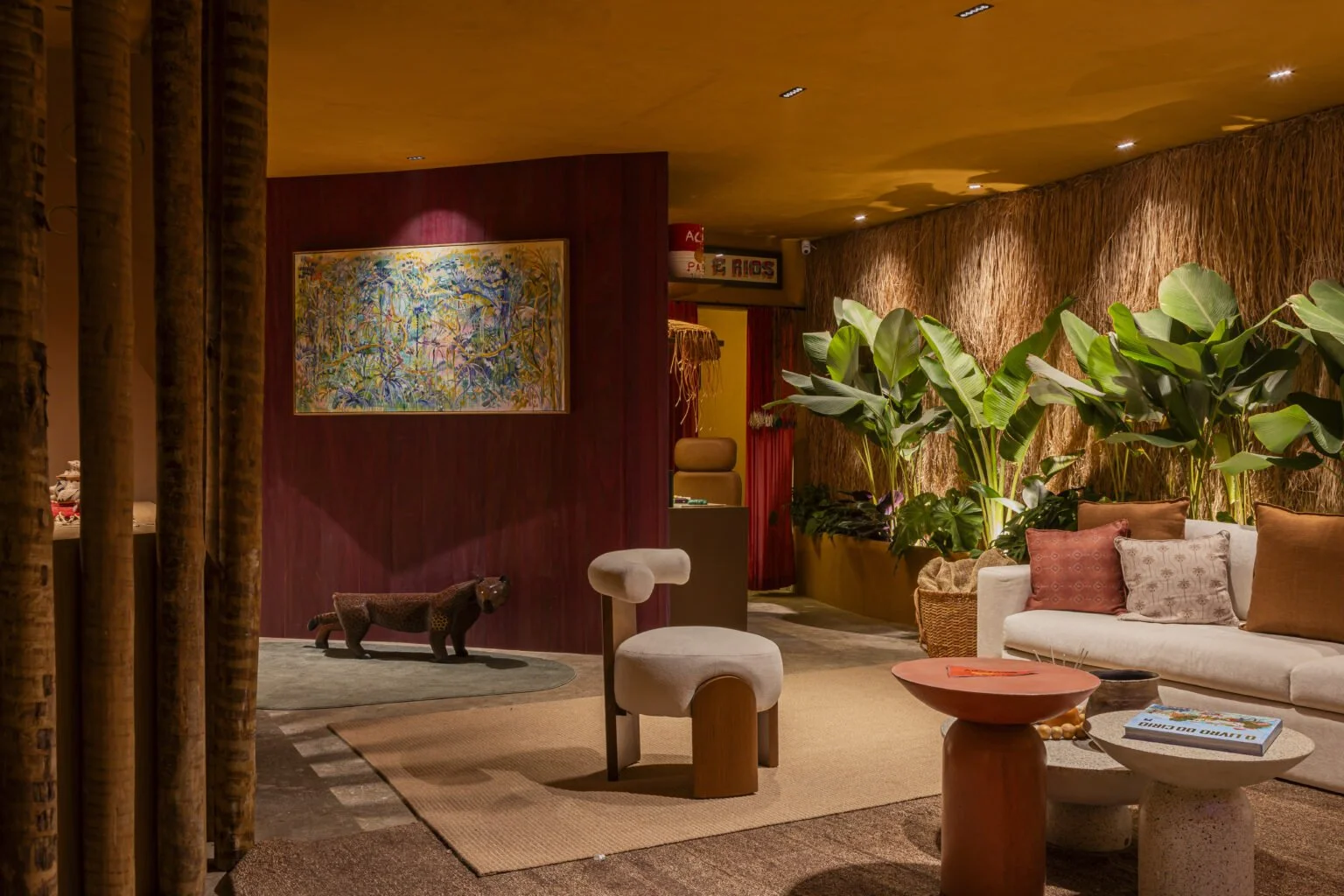
© Photo by Studio Tuca
arquitetura brasileira · bienal 2026 · biomas · sustentabilidade · materiais sustentáveis · construção sustentável · bambu · cerrado · pantanal · mata atlântica · amazônia · caatinga · pampa · povos indígenas · bororo · mato grosso · arquitetura · design sustentável · regenerative design · mindful living · intentional living · slow architecture · sustainable vert